Home / Insights / LED design-build services
Bidding & Design-Assist · Project Delivery
LED design-build services in Las Vegas, and when design-assist or plan-and-spec is the better fit
A delivery-method guide for owners, architects, lighting designers and general contractors planning resort, casino, hotel, signage and new-construction LED work: what design-build really includes, how it differs from design-assist and plan-and-spec, who stamps the drawings in Nevada, and how to compare proposals without comparing apples to oranges.
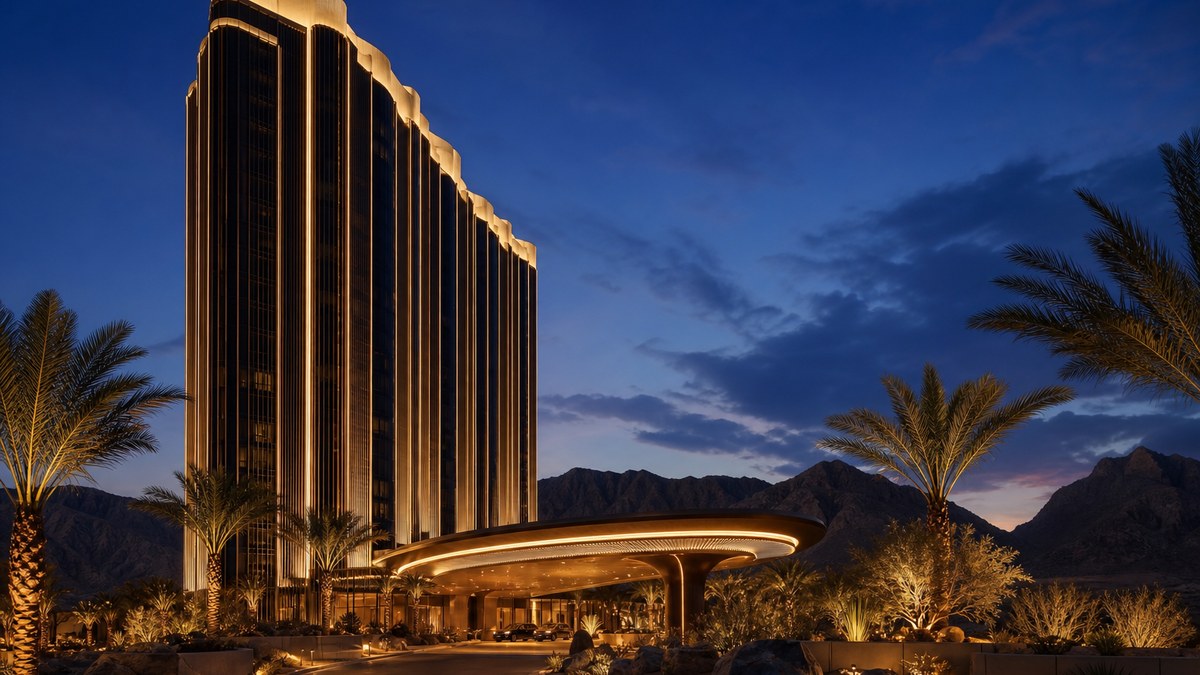
LED design-build services in Las Vegas put the design, the product, the installation and the controls for a lighting, signage or display scope under one contract, with one party responsible for making the system work. For a large LED marquee, a programmable facade, a sportsbook video wall or a complete lighting package on a new resort, design-build can shorten the schedule and remove the gaps between trades. It is not always the right answer, though. When an architect or lighting designer already owns the design intent, design-assist usually protects that intent better, and when the documents are complete, a clean plan-and-spec bid may be all a project needs.
Quick answer
Design-build means one team designs and builds the LED scope and carries responsibility for both. Design-assist means the lighting contractor joins early to advise on products, structure, power, controls and budget while the architect or lighting designer keeps design authority. Plan-and-spec (design-bid-build) means the design is finished first and contractors bid the drawings. In Las Vegas, design-build fits performance-driven scopes such as LED marquees, video walls and replacement systems; design-assist fits signature architectural lighting on resorts and towers; plan-and-spec fits well-documented, repeatable scopes. In every case, the engineering is sealed by a licensed design professional and the work is installed by a contractor licensed by the Nevada State Contractors Board. We do not publish prices: every scope is bid to its own documents.
We are a Las Vegas team that coordinates design-assist, product supply and licensed installation for large LED lighting, signage, facade and display projects, working with architecture and engineering partners and licensed, insured contracting partners. Strip projects mentioned in this article, such as Fontainebleau Las Vegas, are referenced from public reporting only. We did not design, supply or build them, and we are not affiliated with those properties.
Why the delivery method matters more on LED than on most trades
Most building trades can be drawn completely by the design team and priced by any qualified contractor. Large LED systems are different, because so much of the final design depends on the specific product chosen. The pixel pitch of a marquee decides the cabinet size, which decides the structure, the weight, the service access and the power. The spacing of a facade grazer decides the number of data runs and power supplies, which decides where the equipment rooms go. The controller decides how shows are programmed, how the system talks to the building, and who can change content after opening.
That is why the question "who designs the LED system?" has no automatic answer on a Las Vegas project, and why the wrong answer shows up later as change orders, missing structure, undersized circuits or a result that looks nothing like the rendering. The delivery method is simply the formal answer to that question, written into the contracts before anyone buys product.
The three delivery methods, side by side
The labels get used loosely, so it helps to pin them down. The definitions below follow the way industry groups and construction attorneys describe them, applied to an LED lighting, signage or display scope.
Design-build: one contract, one responsibility
Under design-build, the owner (or the general contractor, for a subcontracted scope) hires one team to take the LED system from concept to commissioning. That team develops the design, has it engineered and sealed by licensed professionals, supplies the product, installs it through licensed contractors and programs it. As one construction-law summary puts it, design-build "creates single source responsibility for both design and construction." If the marquee is too dim at noon or the facade data network cannot carry the show, there is no argument about whose fault it is.
Design-build industry research shows how mainstream the method has become. A 2023 study by FMI for the Design-Build Institute of America projected that design-build would account for about 47% of construction spending in the segments it assessed by 2026, and most respondents said design-build manages cost uncertainty and supply-chain issues better than other delivery methods. That research covers all construction, not LED specifically, but the reasons carry over: early procurement and fewer hand-offs matter a great deal for long-lead LED products.
Design-assist: the designer leads, the builder advises early
Under design-assist, the architect or lighting designer keeps design authority, and the lighting contractor (often with manufacturers) is brought in early to make the design buildable and biddable. An AIA article on the method describes "contractors, subcontractors, manufacturers, fabricators, and architects" working together early, under separate design and construction contracts, and notes that design-assist is "particularly suited for medium and larger projects that don't have prescriptive specifications." That describes most signature lighting on Las Vegas resorts and towers.
Design-assist is the method we see most on high-design hospitality work, because it keeps the lighting designer's intent in charge while bringing in the practical knowledge of mounting, power, data, heat and service before the drawings are frozen. Public reporting on Fontainebleau Las Vegas, for example, credits a specialty contractor with design-assist on the lit entrance wall with its circular openings, alongside the general contractor (ENR). We were not involved in that project; it is simply a well-documented example of the method on the Strip.
Plan-and-spec: design first, then bid
Plan-and-spec, also called design-bid-build, is the traditional sequence: the design team completes the drawings and specifications, contractors bid them, and the low qualified bidder builds what is drawn. It works best when the scope is fully documented, the products are specified with clear performance requirements and approved equals, and the controls are drawn rather than left to "contractor to provide." It struggles when the LED system is only partly designed, because each bidder fills the gaps differently and the bids stop being comparable.
| Question | Design-build | Design-assist | Plan-and-spec |
|---|---|---|---|
| Who owns design intent? | The design-build team, to the owner's criteria | The architect or lighting designer | The architect or lighting designer |
| When does the LED contractor join? | At concept | Schematic or design development | At bid |
| Who seals engineering? | Licensed professionals on the design-build team | The design team, with delegated items where specified | The design team, with delegated items where specified |
| Best fit | Marquees, video walls, replacements, performance-driven scopes | Signature architectural and facade lighting | Fully documented, repeatable scopes |
| Main risk | Weak owner criteria leave too much to the builder | Unclear terms blur design liability | Gaps in the documents become change orders |
Who designs and who stamps: the Nevada rules that do not change
Whichever method a project uses, a few rules in Las Vegas stay the same, and a credible proposal should show how it meets each one.
Licensed design professionals seal the engineering
Permit drawings for commercial work are prepared and sealed by registered design professionals. The City of Las Vegas commercial submittal checklist, for example, states that plans "must be drawn by a Nevada State Registered Architect or Engineer" who stamps and signs each sheet, with structural plans stamped by the engineer of record, and it asks for electrical single-line diagrams, load calculations and voltage-drop calculations for feeders serving area lighting and free-standing signs. Clark County and the other cities in the valley publish their own submittal requirements; the design team should confirm the current version for the jurisdiction. On a design-build LED scope, those seals come from the design-build team's own architecture and engineering partners, not from the product vendor's catalog.
Delegated design is still licensed design
On many projects, the architect writes performance criteria and delegates the detailed design of certain items, such as sign structures, display support steel or attachments, to the contractor. The AIA's guidance on the A201-2017 general conditions describes this as the contractor providing design services "through an appropriately licensed design professional" who signs and seals the design documents, against performance criteria set by the architect. If your LED scope includes delegated design, the proposal should name who will seal it.
The installer holds the right NSCB license
Installation in Nevada requires a license from the Nevada State Contractors Board in the right classification: C-2 for electrical work and C-6 for signs, under NAC 624.200 and 624.240, and bids must be within the licensee's monetary limit. The NSCB's tips for owners are simple: confirm the license is valid and active, that the work is within the license classification, and that the bid is within the monetary limit, using the board's public license search. On a design-build proposal, the license that matters is the one held by the company actually installing the work. Every proposal we prepare names the licensed contractor performing the work.
Public owners have their own design-build rules
Public bodies in Nevada can use design-build only under the conditions set out in NRS 338.1711 and the related sections, which include cost thresholds and a limit on how many smaller projects can use the method in a 12-month period, plus a formal selection process for the design-build team. Private resort, casino and commercial owners are not bound by those public-works rules, but the same discipline (clear criteria, a qualified team, a defined selection process) serves them well.
Rule: design-build changes who you hire, not who is allowed to design or install. Seals come from licensed design professionals; installation comes from NSCB-licensed contractors.
When LED design-build is the right call in Las Vegas
Design-build earns its place when performance matters more than a specific look drawn in advance, or when there is no design team in place for the LED scope. Typical Las Vegas examples:
- LED marquees and large-format signs. The owner knows the size, viewing distances and content goals; the design-build team selects pitch, brightness, cabinet and structure, engineers the support and foundations, and handles the sign permit drawings. Our guide to specifying an LED marquee sign in Las Vegas covers the performance criteria an owner should set first.
- Sportsbook and lobby video walls. The result is defined by seats, sightlines and feeds, not by a fixture drawing. Design-build lets one team size the wall, the processing and the structure together, as described in our article on sportsbook LED video walls.
- Replacements and upgrades of existing systems. When a marquee, facade or display is failing, there is rarely a design team on retainer. A design-build approach surveys what exists, designs the replacement around the existing structure and power, and keeps the property running during the work. See LED modules and parts supply for the repair side.
- Fast-track tenant and venue work. Nightlife, retail and restaurant openings on a fixed date benefit from overlapping design, procurement and installation.
Design-build is a weaker fit when an architect or lighting designer has already defined a signature look, because a design-build team optimizing for its own products can drift from that intent. In those cases, design-assist usually gets the same early-knowledge benefits without changing who owns the design.
When design-assist is the better fit
For new resorts, hotel towers, casino renovations and mixed-use projects with a full design team, design-assist is often the best of both worlds. The lighting designer keeps control of the effect, color, optics and layout, while the LED contractor contributes early on:
- Product and pixel decisions that affect structure and power, before the curtain wall and electrical drawings are fixed.
- Mounting and access on fins, crowns, soffits and porte-cocheres, coordinated with the façade consultant and the engineer of record.
- Controls and data planning, including protocol, universes, network and integration with the building systems.
- Mock-ups on site, so the owner approves what will actually be installed.
- Budget guidance and value-engineering alternates that protect the intent when budgets tighten.
Our article on LED facade lighting for new Las Vegas resorts and the design-assist timeline walks through when each of these decisions should be made. For the owner's side of the selection, see how to choose a facade lighting company in Las Vegas.
When plan-and-spec still works
Plan-and-spec is not outdated. It is the right method when the LED scope is fully drawn and specified: fixture types with performance criteria and approved equals, mounting details, circuiting, controls riser and sequence of operations, mock-up requirements, warranty and spare-parts terms. Under those conditions, bids are comparable and competition is fair. On new construction, a well-documented LED lighting package for a new Las Vegas build can be bid plan-and-spec very successfully, often after a design-assist phase has done the hard work of making it buildable.
The warning signs that a plan-and-spec LED scope is not ready to bid are familiar to every general contractor: "LED tape light, color changing, by contractor," controls shown as a box labeled "by others," no structural details for signs or displays, and no data riser. Each of those lines becomes a different assumption in every bid.
Deciding how to deliver the LED scope on a Las Vegas project?
Send the drawings, an RFP or a short description of the property and the goal. We will tell you which delivery method fits, what the owner's criteria should say, and what a complete proposal for that scope should include. Design teams can bring us in for design-assist; owners and GCs can request a design-build or plan-and-spec bid.
What a complete LED design-build proposal should include
Design-build proposals are hard to compare because each team proposes its own solution. Asking every team for the same structure makes the comparison fair. A complete proposal for a Las Vegas LED scope should cover:
- Design basis. How the team interpreted the owner's criteria: viewing distances, brightness day and night, color and white performance, content or show goals, energy and code limits.
- Named products. Fixture and display models, pixel pitch, IP and temperature ratings, driver and power-supply locations, with data sheets.
- Design team. The architecture and engineering professionals who will seal the drawings, and which items they will seal (structure, electrical, attachments).
- Installing contractor. The NSCB-licensed contractor, its classifications and monetary limit.
- Structure and access. Support steel, attachments, service access, and the lift or rigging plan for work at height.
- Power and controls. Circuits, panels and the controls architecture: controller or media server, protocol, universes, network, schedules and integration with the building systems.
- Permits and code. Which permits the team will obtain, and how the design meets the applicable energy code and its local amendments.
- Mock-up and approvals. What will be mocked up, where, and what the owner signs off before procurement.
- Schedule. Design, submittals, long-lead procurement, installation, programming and commissioning milestones.
- Service and spares. Warranty terms from the manufacturer and the installer, spare modules and power supplies, firmware and content support, and response times.
- Exclusions and interfaces. Everything the proposal does not include, written plainly, so nothing falls between trades.
The energy code still applies to a design-build scope
Design-build teams carry the code compliance of what they design. In unincorporated Clark County, Nevada's adoption of the 2024 International Energy Conservation Code came with local amendments adopted on July 15, 2025 and effective January 11, 2026. Those amendments exclude casino gaming areas and casino theme and entertainment elements from the interior lighting power allowance, and theme elements from the exterior allowance, while keeping control requirements such as daylight-responsive controls that dim to 15% or lower, and occupancy sensors or time switches with manual control for display and accent lighting. The City of Las Vegas, Henderson and North Las Vegas adopt codes on their own schedules, so the design-build team should confirm the code in force for the specific parcel and show how the design complies.
That is one more reason a design-build LED proposal should name its engineers. Compliance documentation is design work, and it is easier to get right when the people selecting the products are the same people writing the calculations.
Risks to manage in each method
Design-build risks
- Thin owner criteria. If the owner only asks for "a premium LED marquee," the design-build team will define premium. Write measurable criteria: brightness, contrast, viewing distance, color performance, service access, warranty.
- Product lock-in. Ask what happens to spare parts and controls if the manufacturer discontinues a product, and require documentation of the controls system and show files at handover.
- Design approvals. Keep the owner's architect or lighting consultant involved in reviewing the design-build submittals, especially where the LED system touches the building's architecture.
Design-assist risks
- Blurred design liability. Construction attorneys caution that design-assist participants should set clear terms to avoid "unintended design liability for the construction team." Write down what the assisting contractor provides and what the design team decides.
- The handoff to bid. Decide in advance whether the design-assist contractor will price the final documents or whether the scope will be bid competitively, and how the contractor's early input will be treated.
Plan-and-spec risks
- Incomplete documents. Controls, data, structure and access are the four areas most often left vague on LED scopes. Each one becomes a change order.
- Equal products that are not equal. Write performance criteria tight enough that substitutions meet the design, and require mock-ups for anything that affects the look.
How to choose, in practice
| Your situation | Usually the best fit | Why |
|---|---|---|
| New resort or tower with a lighting designer | Design-assist, then bid or negotiate | Protects design intent, fixes structure, power and controls early |
| New LED marquee or pylon sign | Design-build | Performance-driven scope with engineered structure and permits |
| Sportsbook, lobby or venue video wall | Design-build or design-assist | Sizing, processing and structure depend on one product choice |
| Failing marquee, facade or display | Design-build replacement | Survey, design and install around existing structure and power |
| Fully documented lighting package | Plan-and-spec | Comparable bids on a complete design |
| Casino floor or public-area renovation | Design-assist with phased installation | Keeps the floor open while the design is refined |
For property types, see our pages on hotel and casino LED lighting, LED signs and marquees, architectural facade lighting and new construction and LED video walls and modules.
Where Las Vegas LED Lights fits
We work in all three methods. For design teams, we provide design-assist: product and pixel options, mock-ups, controls planning and budget guidance, with the lighting designer in charge. For owners and general contractors who want one point of responsibility, we coordinate design-build delivery with our architecture and engineering partners and licensed, insured contracting partners. For complete documents, we bid plan-and-spec and name the products and the licensed contractor in every proposal.
The bench behind those bids is specific: our licensed installation partner has completed 200+ major sports and commercial projects across the US and Canada (NFL, NBA, NHL, MLS, NCAA, NASCAR venues), and our team brings 15+ years as an authorized architectural lighting dealer and project coordinator. If you are earlier than a bid, start with the architects and contractors page; if you have documents, request a bid. For a broader view of the city's landmark LED work, see the biggest LED projects in Las Vegas.
Frequently asked questions
What are LED design-build services?
LED design-build services put the design, engineering, product supply, installation and programming of an LED lighting, signage or display scope under one contract. One team is responsible for the system meeting the owner's criteria, with the engineering sealed by licensed design professionals and the installation performed by licensed contractors.
What is the difference between design-build and design-assist?
In design-build, one team designs and builds the LED scope and carries responsibility for both. In design-assist, the architect or lighting designer keeps design authority and the LED contractor joins early, under a separate contract, to advise on products, structure, power, controls, mock-ups and budget.
Is design-build or plan-and-spec better for an LED marquee in Las Vegas?
Design-build is usually the better fit for a new LED marquee or large-format sign, because the result is defined by performance (viewing distance, brightness, content) and the structure, power and permit drawings depend on the specific display chosen. Plan-and-spec works when the sign is fully designed and specified before bid.
Who stamps the drawings on an LED design-build project in Nevada?
Licensed design professionals on the design-build team seal the engineered drawings, such as structure, electrical and attachments. Local submittal checklists, such as the City of Las Vegas commercial checklist, require plans by a Nevada registered architect or engineer, stamped and signed on each sheet. Confirm the current requirements with the jurisdiction.
What license does the installer need for LED lighting and signs in Las Vegas?
The installing contractor needs an active Nevada State Contractors Board license in the right classification, generally C-2 for electrical work and C-6 for signs, and the bid must be within the license's monetary limit. The board offers a public license search.
Can a lighting designer stay in charge on a design-build project?
Yes, if the contract says so. The owner can keep a lighting designer to write the design criteria and review the design-build team's submittals and mock-ups. If the designer should own the design, design-assist is usually a cleaner fit.
Can public projects in Nevada use LED design-build?
Public bodies in Nevada can use design-build only under the conditions in NRS 338.1711 and related sections, which include cost thresholds, a limit on smaller projects in a 12-month period and a formal selection process. Private resort, casino and commercial owners are not bound by those public-works rules.
Does the energy code apply to design-build LED lighting?
Yes. The design-build team is responsible for code compliance of its design. In unincorporated Clark County, the 2024 IECC with local amendments took effect on January 11, 2026, with specific exclusions for casino gaming areas and theme elements and with control requirements that still apply. Cities in the valley adopt codes on their own schedules.
How much do LED design-build services cost in Las Vegas?
We do not publish prices. Cost depends on the scope: display size and pixel pitch, fixture counts, structure, power, controls, access, schedule and service terms. Every project gets a proposal built from its own criteria or documents, and budget guidance is available during design-assist.
When should we bring an LED contractor into the design process?
As early as schematic design for signature facade, marquee and display work, because product choices drive structure, power and data. For fully documented, repeatable scopes, joining at bid is fine. Send what you have through our bid request form and we will recommend a delivery path.
Choosing a delivery method is the first design decision on any large LED project. Get it right and the drawings, the bids and the building all line up; get it wrong and the gaps show up in construction. When you are ready, request a bid or browse more insights.
Related
Sources
- Design-Build Institute of America, New design-build research shows continued growth (April 2023, FMI study for DBIA).
- AIA, From concept to constructability: how design-assist turns challenges into innovation (September 2025).
- Kegler Brown, Design-assist vs. design-build (August 2019).
- AIA Contract Documents, What contractors need to know about delegated design (A201-2017 Section 3.12.10).
- City of Las Vegas Building & Safety, Multi-family, commercial and industrial submittal checklist.
- Nevada Revised Statutes, NRS 338.1711 (design-build for public works).
- Nevada State Contractors Board, Tips for Nevada contractors; Nevada Administrative Code 624.200 and 624.240.
- Clark County, 2024 IECC local amendments (adopted July 15, 2025; effective January 11, 2026), as summarized in our LED lighting packages guide.
- ENR, Residential/Hospitality Award of Merit: Fontainebleau Las Vegas.
Las Vegas LED Lights is independent and is not affiliated with the properties, developers, contractors, organizations or manufacturers named in this article, and did not design, supply or build the projects referenced. Licensing, code and contract information is a summary for planning purposes, not legal advice; confirm requirements with the Nevada State Contractors Board, the authority having jurisdiction, your attorney and your design team. All images in this article are illustrations, not photographs of real projects.